
The Dominican Sisters of Peace and our Associates warmly welcome you to join us along a journey toward a more peaceful, equitable, and just tomorrow.
In keeping with the four pillars of the Dominican Charism, Prayer, Study, Community and Service, our Sisters around the world show our love of God through our service to God’s people. Our multi-cultural, multi-generational Congregation serves in 27 dioceses across the United States and in Nigeria.
As members of the worldwide Order of Preachers, we share the Gospel of Christ’s peace through our words and through our lives.
The Dominican Sisters of Peace have committed as the Columbus-area sponsor of a billboard campaign utilizing the message “Put the Guns Down! Nobody is Winning. Let Peace Begin with Me,” which is now running on a digital billboard visible from Interstate 270.
The Dominican Sisters of Peace, along with a number of Catholic congregations in the state, are sponsoring the message that is beginning to appear nationally as part of an effort to end gun violence and promote peace. The idea is to create or transform communities where all adults and children are safe from all violence, especially gun violence.

Mission for Peace
May 31–June 4, 2024
Columbus, OH
At our Mission for Peace event, you will join Sisters and other women considering religious life to pray, work, play, and build community. This five-day, service-based, hands-on learning experience offers single Catholic women ages 18-45 a real-life experience of prayer and community living.
The Dominican Sisters of Peace find joy in our daily walk with God and with our community, in the work we do for God’s people, and in the companions who share their time and talents with our ministries.
Peace I leave with you; my peace I give you.
Christ’s words in the Gospel of John inspired our name… and inspire our daily lives, as we live in peace and speak with peace in every encounter.
Be a part of our mission to make the world a more peace-filled place.
We are committed to ministries of spirituality, education, ecology, economic and social justice, and more.
Through our founded ministries and our work in churches, communities, and schools, we strive to bring peace to the world.
Dominican Associates are lay people who work and walk with the Dominican Sisters of Peace in their lives of prayer, study and ministry to God’s people.
Anyone with a heart for peace can become a Dominican Associate… learn how!
The Dominican Sisters of Peace are seeking new leaders in educational and ecological ministries in Columbus, OH, and our educational ministry in New Haven, CT,
Click each job title below to learn more about these opportunities to build peace in your community!
ESL Program Manager at the Dominican Learning Center, Columbus, OH
Director of Springs Learning Center, New Haven,CT
Administrative Assistant, Springs Learning Center, New Haven, CT

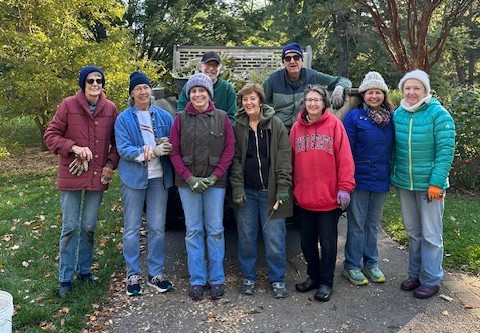
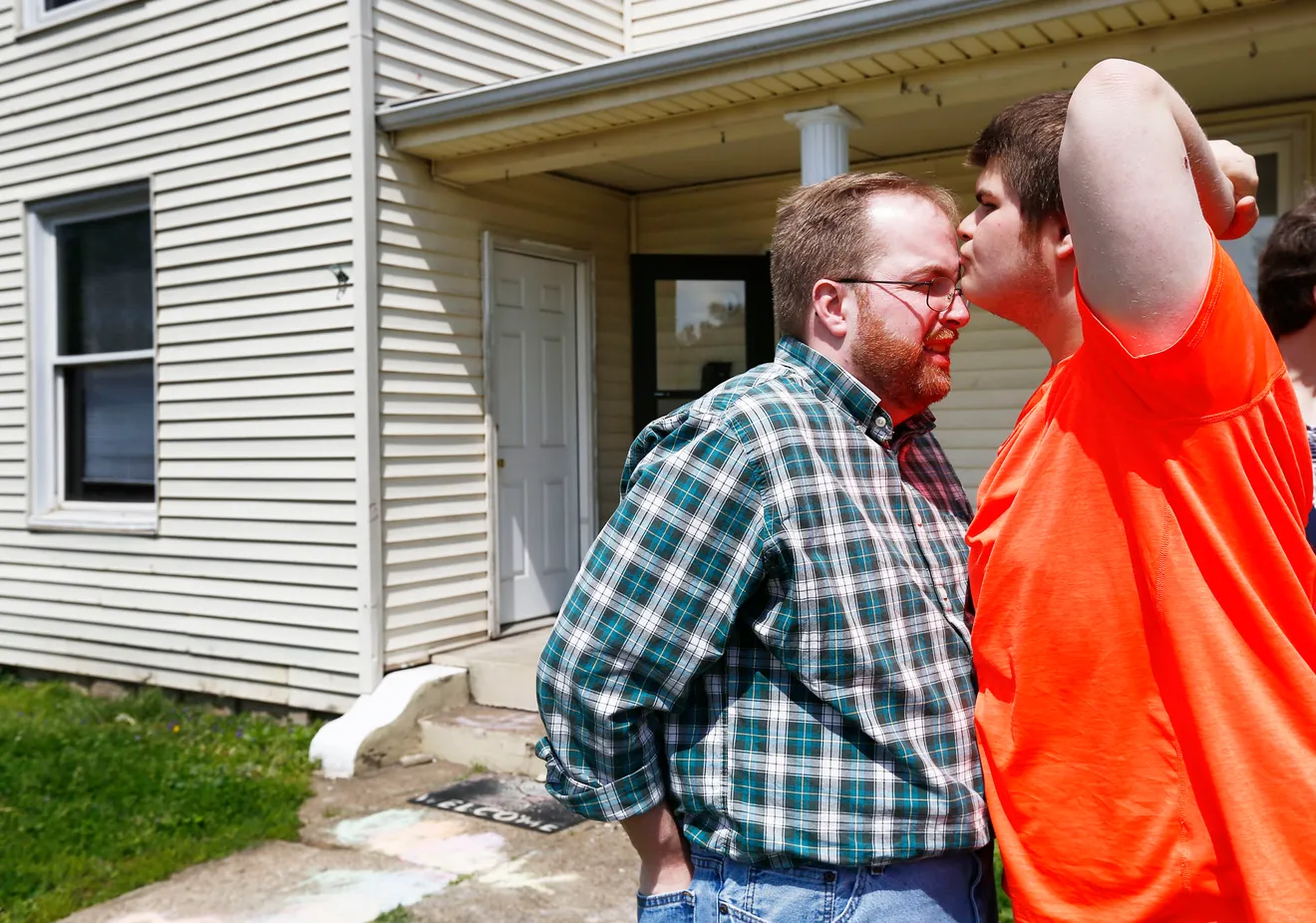
The Order of Preachers, abbreviated OP, is also known as the Dominicans, after our founder, St. Dominic. The Dominicans were the first itinerant order, leaving the monastery to preach the truth of the gospel and Christ’s love.
The first Dominican institution was a convent in the French city of Prouille. The order was founded in 1215 in Toulouse, France.
The first Dominican women religious in America were our foremothers, the Dominican Sisters of St. Catharine, founded in 1822 in Kentucky.
Click here to find a North American Dominican Congregation.
Are you looking for something more?
We can help you recognize God’s call in your life.
We all start at a different place in the journey, but we’ve all been where you are today.
We are committed to sharing the knowledge and resources to help you find your way. Let’s walk together.
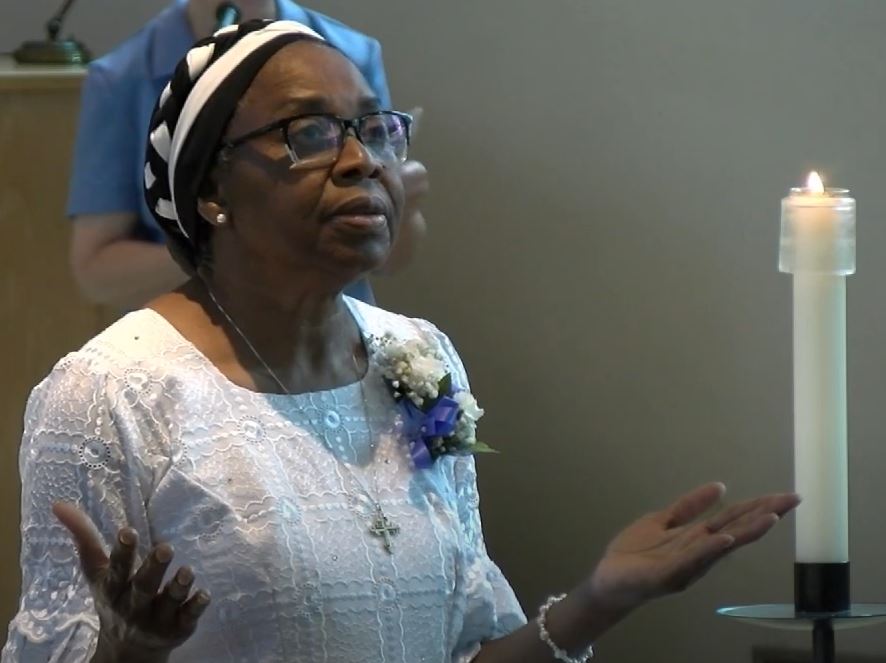
We are grateful to Suzanne Wong for her image of Signadou. Signadou (from the French, meaning ‘sign of God’) is the site in Fanjeaux, Southern France, where St Dominic’s vision for the Dominican Order began to unfold. We are blessed by Suzanne’s preaching.